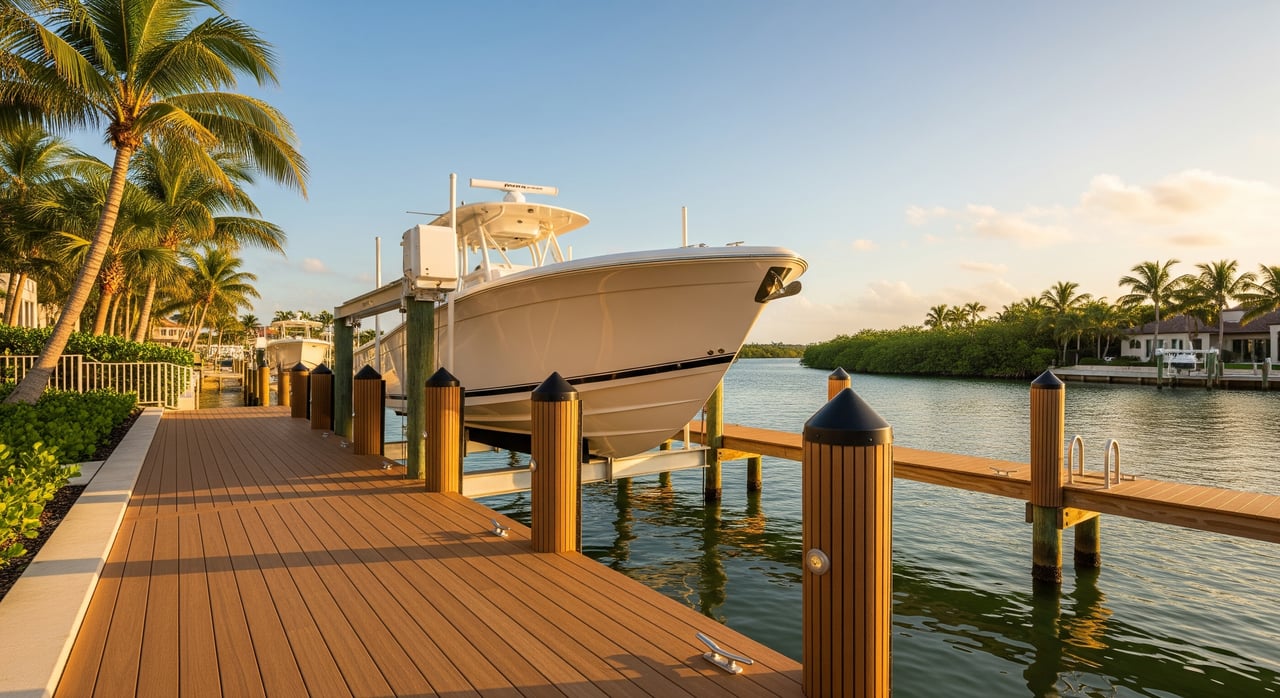
Essential Boat Dock Rules for Jupiter Inlet Colony Buyers
Love the idea of stepping from your backyard onto a dock and cruising out through Jupiter Inlet in minutes? If you are shopping in Jupiter Inlet Colony, docks and boat lifts are a big part of the value and lifestyle. Yet permits, leases, water depth, and storm planning can get complicated fast. This guide breaks down what matters most so you can buy with confidence and plan for safe, smart boating at your new home. Let’s get you oriented.
Jupiter Inlet Colony sits where the Intracoastal Waterway meets the Atlantic. Properties see tidal swings, swift currents near the inlet, and, at times, ocean swell. Water depth, low-tide clearance, and proximity to navigation channels all shape what you can build and how a lift will perform.
Access to the ocean can be restricted at low tide. Local no-wake zones and manatee protections also influence how and where you berth. Expect more robust designs on inlet-facing lots and more flexibility on protected canals. These site conditions should guide your dock type, lift selection, and maintenance plans.
Fixed docks offer stability and strength. They handle rougher water and heavier loads well, which helps on sites exposed to inlet waves and surge. Where water depth is sufficient and piles can be driven into stable substrate, fixed docks are common and can be more durable than small floating docks in stormy conditions.
Floating docks rise and fall with the tide, which can be helpful in areas with more tidal range or where the seabed is not ideal for piles. They are usually simpler and can be less expensive to install. In storm surge and debris, though, they can be more vulnerable. If your site sees strong currents or wave energy, float systems need careful anchoring and may not be the best fit.
Hybrid layouts combine a fixed main walkway with floating fingers. They balance stability and flexibility and can work well where you want slip fingers that rise with the tide. In Jupiter Inlet Colony, a hybrid approach can serve owners with multiple craft or varying drafts, provided the main structure is engineered for local loads.
Vertical lifts raise the boat straight out of the water, keeping the hull fully dry. They suit larger boats and frequent use. In current-prone areas, they reduce hull wear from constant movement and marine growth. Make sure capacity, beam, and bunk spacing match your specific boat.
Cradle lifts support the hull on a framework and are common for powerboats and smaller yachts. They are versatile and reliable when paired with proper power and pilings. Regular inspection of winches, cables, and electrical components is key in saltwater.
Floating platform lifts and compact PWC lifts are convenient for small boats and personal watercraft. They need adequate berthing space and careful tie-downs where current runs fast. These options offer simpler installation, though they can be more exposed in storm events.
Most private docks and lifts in Jupiter Inlet Colony require approvals from multiple agencies. The sequence varies by site, but your process commonly includes:
Timelines range from weeks for simple projects to many months for complex work, especially if dredging, public notice, or mitigation is involved. Early pre-application consultations and a contractor experienced in Palm Beach County, FDEP, and USACE coordination can streamline reviews.
Upland ownership does not always mean unrestricted rights to build over submerged lands. Many docks require state authorization or a submerged lands lease. When you buy, confirm whether the dock and any submerged lands authorization convey with the property. Some approvals expire or are not transferable.
Also review any recorded easements or shared-dock agreements. Understand maintenance duties and cost sharing before closing. Local rules often set setbacks, maximum dock length, and distances from navigation channels, so verify site-specific limits early in your due diligence.
Costs vary widely by site, design, and permitting complexity, but these ballpark ranges can help you plan:
Engineering, permitting, electrical, and any dredging or mitigation can add significantly. Major price drivers include pile length, seabed composition, access for pile-driving equipment, shore power runs, and low-tide depth. Always secure multiple quotes from licensed local marine contractors.
Saltwater, sun, and marine growth take a toll. A steady maintenance plan protects your investment and reduces downtime.
Typical lifespans can reach 15 to 30 years for well-maintained wood docks, while composite materials and properly protected steel or concrete piles can last longer with routine checks. For resilience, consider higher pilings, additional freeboard, and modular components that are easier to repair or replace as sea levels and storm intensity rise.
Coverage for docks and lifts varies by carrier and policy. Some homeowners policies limit or exclude structures seaward of the mean high-water line. Windstorm and hurricane deductibles in Florida can be high and may apply to waterfront structures. Flood insurance has specific limits for docks and lifts, so ask your agent about endorsements and exclusions. Also consider liability coverage for injuries that occur on your dock and clarify responsibilities for any shared facilities.
Use this checklist during your inspection period:
Bring the right team together early:
Ask each contractor:
Put it all in writing. Your contract should define scope, materials, pile and structural specs, engineered plans where required, permits responsibility, payment schedule, timeline, cleanup, and warranty terms.
A well-planned dock and lift can elevate your Jupiter Inlet Colony lifestyle and protect your boat and property value. Focus on site conditions, the right dock and lift match, and early permit strategy. Then budget for long-term care so your setup lasts in a saltwater, hurricane-prone environment.
If you want a seasoned local guide as you evaluate properties with docks and lifts across Jupiter Inlet Colony and greater Palm Beach County, reach out to Kevin Keogh, Lighthouse Realty Group, Inc. We will help you navigate due diligence, connect you with trusted marine pros, and negotiate with your goals in mind.

Get assistance in determining the current property value, crafting a competitive offer, writing and negotiating a contract, and much more. Contact us today.